
Treating gyno with nolvadex Leave a comment
Learn how to treat gynecomastia, a condition characterized by enlarged male breasts, with the medication Nolvadex. Discover the benefits, side effects, and dosage recommendations for using Nolvadex as a treatment option.
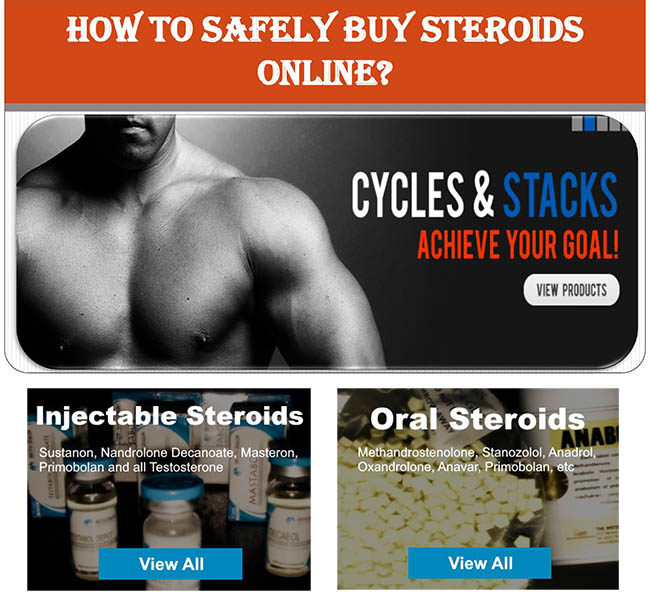
| Payment: | Bitcoin, LiteCoin, Zelle, Credit Cards, Western Union, MoneyGram |
| Delivery: | Express (2-5 days), Fedex, DHL |
| Prescription: | OVER THE COUNTER |
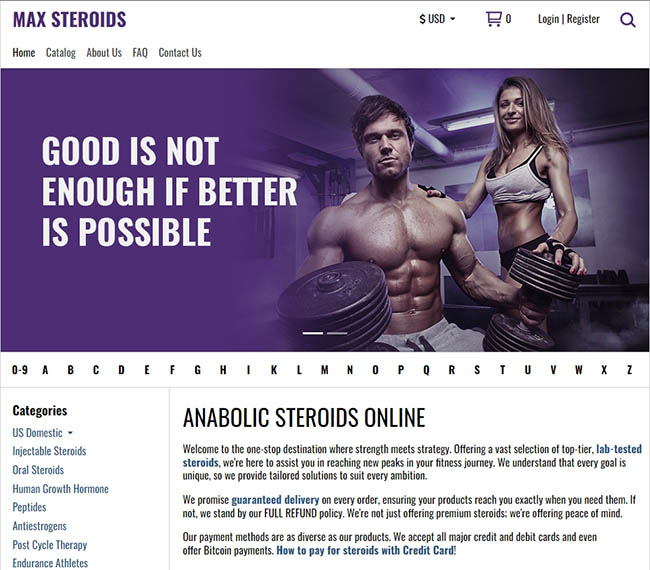
| Where to Buy STEROIDS online? | https://max-steroids.com |
Where to Buy Anabolic Steroids Online:

Treating Gyno with Nolvadex
Popular Questions about Treating gyno with nolvadex:
What is gyno?
Gyno, short for gynecomastia, is a condition characterized by the enlargement of breast tissue in males.
What are the causes of gyno?
Gyno can be caused by hormonal imbalances, certain medications, obesity, and underlying health conditions.
How does Nolvadex treat gyno?
Nolvadex, also known as tamoxifen, is a selective estrogen receptor modulator (SERM) that works by blocking the effects of estrogen in the breast tissue, thereby reducing the growth of breast tissue in males.
What is the recommended dosage of Nolvadex for treating gyno?
The recommended dosage of Nolvadex for treating gyno is typically 20-40 mg per day, taken in divided doses.
Are there any side effects of using Nolvadex for gyno?
Yes, common side effects of Nolvadex include hot flashes, nausea, fatigue, and mood swings. However, these side effects are usually mild and temporary.
Can Nolvadex completely cure gyno?
Nolvadex can help reduce the size of breast tissue in males with gyno, but it may not completely cure the condition. In some cases, surgical intervention may be necessary to remove excess breast tissue.
How long does it take for Nolvadex to start working?
The effects of Nolvadex can vary from person to person, but it typically takes a few weeks to a few months for noticeable changes in breast tissue to occur.
Can Nolvadex be used for gyno prevention?
Nolvadex is primarily used for treating gyno, but it may also be used as a preventative measure in individuals who are at high risk of developing gyno due to hormonal imbalances or certain medications.
How to order steroids online?
Treating Gyno with Nolvadex: A Comprehensive Guide
Gyno, short for gynecomastia, is a condition characterized by the enlargement of breast tissue in males. It can be caused by a hormonal imbalance, certain medications, or underlying medical conditions. While gyno is not typically a serious health concern, it can cause emotional distress and self-esteem issues for those affected.
Nolvadex, also known as tamoxifen citrate, is a medication commonly used to treat breast cancer in women. However, it has also been found to be effective in treating gyno in men. Nolvadex works by blocking the effects of estrogen, a hormone that can contribute to the development of gyno.
This comprehensive guide will provide you with all the information you need to know about using Nolvadex to treat gyno. We will discuss the dosage, potential side effects, and how to properly use this medication. It is important to note that Nolvadex should only be used under the guidance of a healthcare professional, as they can determine the appropriate dosage and monitor your progress.
If you are struggling with gyno and looking for a solution, Nolvadex may be worth considering. By understanding how this medication works and following the recommended guidelines, you can take steps towards reducing the size of your breast tissue and improving your overall well-being.
Understanding Gyno and its Causes
Gyno, short for gynecomastia, is a condition characterized by the enlargement of breast tissue in males. It is a common condition that can affect men of all ages, from infants to adults. Gyno can cause physical discomfort and psychological distress, as it may affect a man’s self-esteem and body image.
There are several factors that can contribute to the development of gyno. One of the main causes is an imbalance between the hormones estrogen and testosterone. Estrogen is a female hormone that is naturally present in males, but in smaller amounts. When there is an increase in estrogen levels or a decrease in testosterone levels, it can lead to the growth of breast tissue.
Some of the common causes of gyno include:
- Hormonal imbalances: Hormonal imbalances can occur due to various reasons, such as puberty, aging, certain medical conditions, or the use of certain medications.
- Obesity: Excess body fat can lead to an increase in estrogen levels, which can contribute to the development of gyno.
- Genetics: Some individuals may be more genetically predisposed to developing gyno.
- Medications: Certain medications, such as anabolic steroids, anti-androgens, and some antidepressants, can increase the risk of gyno.
It is important to note that gyno can also occur as a result of an underlying medical condition, such as testicular or adrenal tumors, liver disease, or hyperthyroidism. In such cases, treating the underlying condition is essential to effectively manage gyno.
If you suspect that you have gyno, it is recommended to consult with a healthcare professional for an accurate diagnosis and appropriate treatment options. Understanding the causes of gyno can help you make informed decisions about your treatment and management of the condition.
Identifying the Symptoms of Gyno
Gyno, also known as gynecomastia, is a condition characterized by the enlargement of breast tissue in males. It can occur at any age and is often a result of hormonal imbalances. Identifying the symptoms of gyno is important in order to seek appropriate treatment and understand the underlying causes.
1. Breast Enlargement
The most noticeable symptom of gyno is the enlargement of breast tissue. This can occur in one or both breasts and may result in a swollen or puffy appearance. The breast tissue may feel tender or sensitive to touch.
2. Breast Tenderness
Many individuals with gyno experience breast tenderness or pain. This can range from mild discomfort to more severe pain. The tenderness may be localized to the breast tissue or extend to the surrounding areas.
3. Nipple Changes
Gyno can also cause changes in the nipples. The nipples may become more prominent or stick out more than usual. In some cases, the nipples may also become sensitive or painful.
4. Breast Lumps
In some cases, gyno may result in the formation of breast lumps. These lumps may be small and firm or larger and more noticeable. It is important to have any breast lumps evaluated by a healthcare professional to rule out any underlying conditions.
5. Psychological Effects
Gyno can also have psychological effects on individuals. Some may feel self-conscious or embarrassed about their appearance, leading to a decrease in self-esteem or body image issues. It is important to address these psychological effects along with the physical symptoms of gyno.
Conclusion
Identifying the symptoms of gyno is the first step in seeking appropriate treatment. If you notice any of these symptoms, it is important to consult with a healthcare professional for a proper diagnosis and to discuss potential treatment options.
The Role of Nolvadex in Gyno Treatment
Nolvadex, also known as tamoxifen citrate, is a medication commonly used in the treatment of gynecomastia, a condition characterized by the enlargement of breast tissue in males. It belongs to a class of drugs called selective estrogen receptor modulators (SERMs) and works by blocking the effects of estrogen in the body.
Estrogen is a hormone that plays a crucial role in the development and maintenance of female secondary sexual characteristics, including breast development. In males, excessive estrogen levels can lead to the growth of breast tissue, causing gynecomastia. Nolvadex helps to counteract this by binding to estrogen receptors in the breast tissue, preventing estrogen from binding and stimulating the growth of breast cells.
How Nolvadex is Used in Gyno Treatment
Nolvadex is typically prescribed as a treatment option for gynecomastia when the underlying cause is hormonal imbalance or excess estrogen production. It is often used in combination with other medications or therapies, depending on the severity and underlying cause of gynecomastia.
The dosage of Nolvadex can vary depending on individual factors such as age, weight, and the severity of gynecomastia. It is usually taken orally in the form of tablets, with or without food. The treatment duration may also vary, ranging from several weeks to several months.
Potential Side Effects of Nolvadex
Like any medication, Nolvadex can have potential side effects. Common side effects may include hot flashes, nausea, fatigue, and mood swings. In rare cases, more serious side effects such as blood clots, liver problems, or vision changes may occur. It is important to discuss any concerns or potential side effects with a healthcare professional before starting Nolvadex treatment.
Conclusion
Nolvadex plays a crucial role in the treatment of gynecomastia by blocking the effects of estrogen in the body. It is an effective medication that can help reduce the size of breast tissue and alleviate symptoms associated with gynecomastia. However, it is important to use Nolvadex under the guidance of a healthcare professional and to be aware of potential side effects. If you are experiencing gynecomastia or have concerns about breast tissue enlargement, consult with a healthcare professional to determine the best treatment options for your specific situation.
How Nolvadex Works to Combat Gyno
Gynecomastia, commonly known as gyno, is a condition characterized by the enlargement of breast tissue in males. It is often caused by an imbalance of estrogen and testosterone hormones in the body. Nolvadex, also known as tamoxifen citrate, is a medication that is commonly used to treat gyno.
Nolvadex works by blocking the action of estrogen in the body. It acts as an anti-estrogen and binds to estrogen receptors, preventing estrogen from binding to these receptors. By blocking estrogen receptors, Nolvadex helps to reduce the production and effects of estrogen in the body.
Estrogen is a hormone that is responsible for the development and maintenance of female characteristics. In males, excessive estrogen can lead to the development of gyno. By blocking estrogen receptors, Nolvadex helps to reduce the amount of estrogen available in the body, thereby reducing the risk of gyno development.
In addition to blocking estrogen receptors, Nolvadex also has the ability to stimulate the production of testosterone. Testosterone is the primary male sex hormone and plays a crucial role in the development of male characteristics. By increasing testosterone levels, Nolvadex helps to restore the balance between estrogen and testosterone hormones in the body.
Nolvadex is typically taken orally in tablet form. The recommended dosage and duration of treatment may vary depending on the severity of gyno and individual response to the medication. It is important to follow the prescribed dosage and consult with a healthcare professional for proper guidance.
Overall, Nolvadex is an effective medication for treating gyno by blocking estrogen receptors and stimulating testosterone production. It helps to restore hormonal balance and reduce the risk of gyno development in males.
Recommended Dosage of Nolvadex for Gyno
When it comes to treating gynecomastia (gyno) with Nolvadex, the dosage can vary depending on the severity of the condition and individual factors. It is important to consult with a healthcare professional before starting any medication to determine the appropriate dosage for your specific case.
In general, the recommended dosage of Nolvadex for gyno is 20-40mg per day. This dosage is typically divided into two equal doses, taken in the morning and evening. The duration of treatment can also vary, but it is commonly recommended to take Nolvadex for a period of 4-6 weeks.
It is important to note that Nolvadex should not be used without proper medical supervision. Your healthcare provider will assess your condition and determine the most suitable dosage and duration of treatment for you. They may also recommend regular monitoring to evaluate the effectiveness of the medication and make any necessary adjustments.
It is crucial to follow the prescribed dosage and instructions provided by your healthcare professional. Taking more than the recommended dosage or using Nolvadex for a longer period of time than prescribed can increase the risk of side effects and may not provide additional benefits.
Remember to always consult with a healthcare professional before starting or discontinuing any medication, including Nolvadex, for the treatment of gynecomastia.
Possible Side Effects of Nolvadex
Nolvadex, also known as tamoxifen citrate, is commonly used to treat gynecomastia. While it is generally considered safe and well-tolerated, there are some potential side effects that you should be aware of.
1. Hot flashes
One of the most common side effects of Nolvadex is hot flashes. These sudden feelings of warmth and sweating can be uncomfortable, but they are usually temporary and improve over time.
2. Nausea and vomiting
Nolvadex can cause nausea and vomiting in some individuals. If you experience these symptoms, it is recommended to take the medication with food to help reduce the likelihood of stomach upset.
3. Changes in menstrual cycle
For women taking Nolvadex, it may cause changes in their menstrual cycle. This can include irregular periods or even temporary cessation of menstruation. If you experience any significant changes in your menstrual cycle, it is important to consult with your healthcare provider.
4. Fatigue
Some individuals may experience fatigue or tiredness while taking Nolvadex. This side effect is usually mild and temporary, but if it persists or becomes bothersome, it is advisable to speak with your doctor.
5. Blood clots
Although rare, Nolvadex has been associated with an increased risk of blood clots. Symptoms of blood clots can include swelling, pain, or redness in the legs. If you experience any of these symptoms, seek medical attention immediately.
6. Vision changes
In rare cases, Nolvadex may cause changes in vision. This can include blurred vision, difficulty focusing, or even loss of vision. If you notice any changes in your vision while taking Nolvadex, it is important to notify your healthcare provider right away.
7. Allergic reactions
While uncommon, some individuals may experience allergic reactions to Nolvadex. Signs of an allergic reaction can include hives, rash, itching, swelling of the face or throat, or difficulty breathing. If you experience any of these symptoms, seek immediate medical attention.
8. Mood changes
In some cases, Nolvadex may cause mood changes or depression. If you notice any significant changes in your mood or experience feelings of sadness or hopelessness, it is important to discuss this with your doctor.
It is important to remember that not everyone will experience these side effects, and many individuals tolerate Nolvadex well. However, if you have any concerns or questions about the potential side effects of Nolvadex, it is always best to consult with your healthcare provider.
Precautions and Considerations when Using Nolvadex
- Consult with a healthcare professional: Before starting Nolvadex treatment, it is important to consult with a healthcare professional, such as a doctor or pharmacist. They can provide guidance on the appropriate dosage, duration of treatment, and potential side effects.
- Medical history: Inform your healthcare professional about your medical history, especially if you have a history of blood clots, liver disease, or high cholesterol levels. These conditions may affect the suitability of Nolvadex treatment.
- Pregnancy and breastfeeding: Nolvadex should not be used by pregnant or breastfeeding women, as it may harm the developing fetus or nursing baby. If you are planning to become pregnant or are currently breastfeeding, discuss alternative treatment options with your healthcare professional.
- Interactions with other medications: Inform your healthcare professional about any other medications you are taking, including prescription drugs, over-the-counter medications, and herbal supplements. Nolvadex may interact with certain medications, leading to potential side effects or reduced effectiveness.
- Side effects: Be aware of the potential side effects of Nolvadex, such as hot flashes, nausea, and vaginal discharge. If you experience any severe or persistent side effects, contact your healthcare professional for further guidance.
- Regular check-ups: It is important to have regular check-ups with your healthcare professional while using Nolvadex. They can monitor your progress, assess the effectiveness of the treatment, and make any necessary adjustments to your dosage or treatment plan.
- Storage and disposal: Store Nolvadex in a cool, dry place away from direct sunlight. Keep it out of reach of children and pets. When disposing of unused or expired Nolvadex, follow the appropriate disposal guidelines provided by your healthcare professional or local authorities.
Combining Nolvadex with Other Treatments
While Nolvadex can be an effective treatment for gynecomastia on its own, it can also be combined with other treatments for optimal results. Here are some common approaches to combining Nolvadex with other treatments:
1. Aromatase Inhibitors
Aromatase inhibitors are medications that work by blocking the enzyme aromatase, which converts testosterone into estrogen. By reducing estrogen levels in the body, aromatase inhibitors can help to prevent the development or progression of gynecomastia. Combining Nolvadex with an aromatase inhibitor can provide a synergistic effect and further decrease estrogen levels.
2. Surgical Intervention
In cases where gynecomastia is severe or persistent, surgical intervention may be necessary. Nolvadex can be used as a pre-operative treatment to reduce the size of the breast tissue and make surgery more effective. It can also be used post-operatively to prevent the recurrence of gynecomastia.
3. Lifestyle Changes
In addition to medication and surgery, making certain lifestyle changes can also help to manage gynecomastia. This includes maintaining a healthy weight, exercising regularly, and avoiding substances that can contribute to gynecomastia, such as alcohol and certain medications.
4. Psychological Support
Gynecomastia can have a significant impact on a person’s self-esteem and body image. In addition to medical treatments, it is important to provide psychological support to individuals with gynecomastia. This can include counseling or support groups to help them cope with the emotional aspects of the condition.
5. Regular Monitoring
Combining Nolvadex with other treatments requires regular monitoring to assess the effectiveness of the treatment and make any necessary adjustments. This may involve regular check-ups with a healthcare provider and monitoring hormone levels to ensure that the treatment plan is working as intended.
It is important to note that the combination of Nolvadex with other treatments should be done under the supervision of a healthcare professional. They will be able to assess the individual’s specific situation and determine the most appropriate treatment approach.
Monitoring and Evaluating the Effectiveness of Nolvadex
When using Nolvadex for the treatment of gynecomastia, it is important to monitor and evaluate its effectiveness. This will help determine whether the medication is working as expected and whether any adjustments need to be made to the treatment plan.
Physical Examination
One of the primary methods of monitoring the effectiveness of Nolvadex is through regular physical examinations. A healthcare provider will assess the size and firmness of the breast tissue to determine if there are any changes over time. They may also check for any signs of inflammation or tenderness.
Self-Examination
In addition to professional examinations, individuals can also perform self-examinations to monitor the effectiveness of Nolvadex. This involves feeling the breast tissue for any changes in size, firmness, or tenderness. Any noticeable changes should be reported to a healthcare provider.
Imaging Tests
In some cases, imaging tests such as mammograms or ultrasounds may be used to evaluate the effectiveness of Nolvadex. These tests can provide a more detailed view of the breast tissue and can help identify any changes that may not be easily detected through physical examination alone.
Hormone Level Testing
Nolvadex works by blocking the effects of estrogen, so monitoring hormone levels can also be helpful in evaluating its effectiveness. Blood tests can be done to measure the levels of estrogen and other hormones in the body. If the levels of estrogen remain high despite treatment with Nolvadex, alternative treatment options may need to be considered.
Communication with Healthcare Provider
Regular communication with a healthcare provider is essential for monitoring the effectiveness of Nolvadex. It is important to report any changes or concerns and to discuss any potential adjustments to the treatment plan. The healthcare provider can provide guidance and make necessary changes based on the individual’s response to the medication.
Conclusion
Monitoring and evaluating the effectiveness of Nolvadex is crucial for the successful treatment of gynecomastia. Through physical examinations, self-examinations, imaging tests, hormone level testing, and regular communication with a healthcare provider, individuals can ensure that the medication is working as expected and make any necessary adjustments to their treatment plan.
Alternative Treatments for Gyno
Gynecomastia, commonly known as gyno, is a condition characterized by the enlargement of breast tissue in males. While Nolvadex is a popular treatment option for gyno, there are alternative treatments that can also be effective. Here are some alternative treatments for gyno:
1. Surgical Intervention
In cases where gyno is severe or does not respond to other treatments, surgical intervention may be necessary. The most common surgical procedure for gyno is called a mastectomy, which involves the removal of excess breast tissue. This procedure is typically performed by a plastic surgeon.
2. Hormone Replacement Therapy
Hormone replacement therapy (HRT) may be recommended for individuals with gyno caused by hormonal imbalances. This treatment involves the use of medications to restore hormonal balance in the body. HRT can help reduce the size of breast tissue and alleviate other symptoms associated with gyno.
3. Weight Loss and Exercise
For individuals with gyno caused by excess weight or obesity, weight loss and regular exercise can be effective in reducing breast tissue size. Losing weight and building muscle can help balance hormone levels and decrease the amount of fat stored in the chest area.
4. Topical Creams
There are topical creams available that claim to reduce the size of breast tissue in individuals with gyno. These creams typically contain ingredients such as herbal extracts or hormones that are believed to have a shrinking effect on breast tissue. However, the effectiveness of these creams is not scientifically proven, and it is important to consult with a healthcare professional before using them.
5. Compression Garments
Compression garments, such as compression shirts or vests, can help reduce the appearance of gyno by compressing the breast tissue. These garments can provide temporary relief and make the chest appear flatter. However, they do not treat the underlying cause of gyno and are not a long-term solution.
6. Lifestyle Changes
In some cases, making certain lifestyle changes can help manage gyno symptoms. Avoiding substances known to increase estrogen levels, such as alcohol and marijuana, can be beneficial. Additionally, maintaining a healthy diet and managing stress levels can help regulate hormone levels and reduce the severity of gyno.
7. Psychological Support
Gyno can have a significant impact on a person’s self-esteem and body image. Seeking psychological support, such as therapy or support groups, can be helpful in coping with the emotional aspects of gyno. It is important to address any feelings of distress or anxiety associated with the condition.
While Nolvadex is a commonly used treatment for gyno, there are alternative options available. It is important to consult with a healthcare professional to determine the most appropriate treatment plan based on individual circumstances and the underlying cause of gyno.